Computer vision fails at the boundary between image and meaning
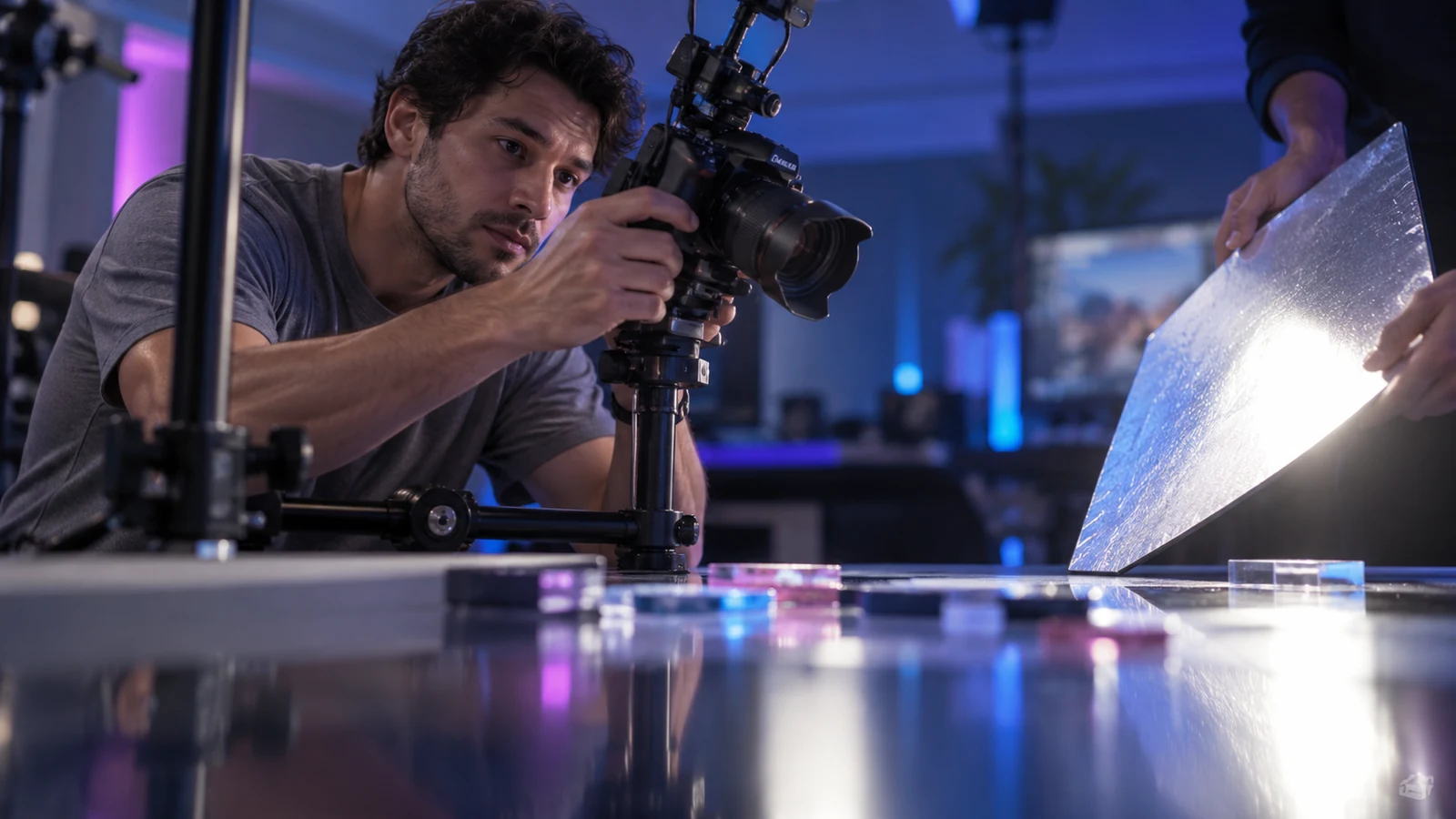
Lighting may appear stable until a reflective card turns toward the camera; calibration can become stale after a mount is moved. These faults can cause low confidence or missing events before the model itself fails. Review the full path-capture, clocks, inference, staff response and recovery-instead of treating accuracy as the sole measure.
Computer-vision risks sit in five connected areas: capture, model quality, timing and compute, data governance and operations. The weakest constrains the whole service. Better software cannot fix a misdirected camera; a strong detection cannot make delayed video current; and a fast alert is useless if staff cannot retrieve its source frame.
Specify the vision service's role before testing. Stream-health alerts may be read-only, card observations may support game review and identity matching is a separate high-impact biometric function. Each task needs its own evidence and approval standard.
A capture fault can look like a model failure
Focus, exposure, lens distortion, compression, reflections, blur and placement determine what the camera records. Hands can hide chip stacks, card corners may disappear and table lighting can shift. Even a clean lens can face the wrong angle. Calibrate geometry to the actual lens and scene, then redo it after camera movement.
Image condition and an operational response
- Glare on a card
- Effect on observation:Suit or rank marks lose contrast.· Control:Adjust lighting or angle and send uncertain reads for review.
- Hand occlusion
- Effect on observation:Object edges or chip count are temporarily missing.· Control:Wait for a stable frame; preserve an unresolved state during the gap.
- Lens or table change
- Effect on observation:Old calibration maps the image to the wrong coordinate.· Control:Version calibration and require an alignment check after changes.
- Stream compression
- Effect on observation:Small symbols break into blocks or blur across frames.· Control:Test the deployed codec and resolution, not a clean camera feed.
- Clock drift
- Effect on observation:Video appears out of sequence with game events.· Control:Monitor synchronisation and expose capture time in review tools.
Model scores can conceal uneven error
One accuracy figure merges classes and conditions. If most frames show an empty table, a detector can score well while missing the card event that matters. Report false alarms and misses separately by object, camera, table, deck, light and relevant group. Check calibration and let the model abstain when evidence is incomplete.
Separate training and evaluation by distinct sessions or equipment. Randomly splitting adjacent frames from one video can place near duplicates in both sets and exaggerate performance. Retain sources, labels, exclusions, model version, threshold and evaluation date. Store staff corrections beside the original prediction.
Input distribution changes as cameras, felt, chips or encoders change. Watch image quality and model behaviour after each update. A statistical shift is not evidence of misconduct; first check configuration, game state and expected operating variation.
Latency creates stale or conflicting state
Total delay includes capture, buffering, transport, preprocessing, inference, queueing and display. Inference timing alone misses most of the path. Set a budget for each task and label old frames. If service falls behind, show degraded status, stop consequential recommendations and recover from a known checkpoint.
Tracking also needs persistent IDs and idempotent events. Retried detections should not count a card twice. When frames drop, report a gap instead of inventing a path; when a hand crosses an object, retain alternatives or request review.
Synchronise camera, model worker and game-service clocks. Store capture, processing and receipt times separately. A video/log mismatch may come from timing rather than a rule breach, so the review interface should make that distinction clear.
Privacy scope changes with the purpose of the model
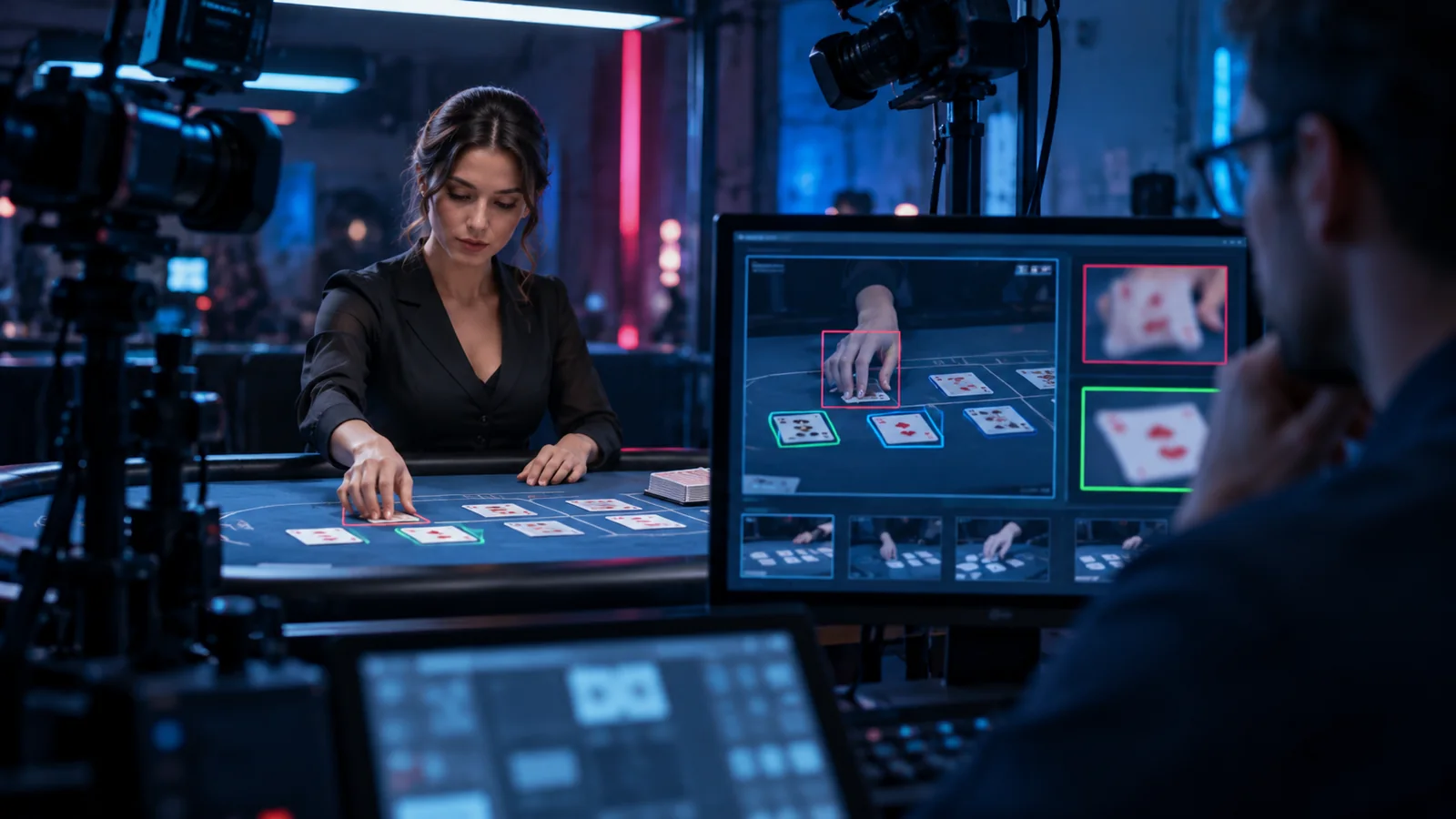
A camera can fail without identifying a person: an occluded card, clock drift or reflection may cause it. Keep these image problems separate from person recognition, which requires its own purpose and privacy review rather than inclusion in a general accuracy target.
For in-scope biometric processing, the Privacy Commissioner expects a defined purpose, necessity assessment, safeguards and proportionate impact. State whether raw video leaves the camera, whether images or features are retained, who can query them and whether vendors transfer data overseas. A notice alone cannot justify excessive collection.
Record camera placement, retention, permissions and staff communication. Local processing or cropping may reduce unnecessary transfers, but assess the entire data route. Features that can be linked to a person may remain personal information.
Integration determines whether the alert can be acted on
Vision may share infrastructure with game engine, stream, account, incident and audit systems. Integration faults can duplicate alerts, lose evidence or misalign time. Define each event field and its owner; version the model, table, calibration and rules it references. Staff should not have to search several systems to understand one alert.
Before launch, map the authority boundary: camera observations may reach monitoring and human review, while game, payment and account services retain their own control. Test it with an intentionally wrong prediction and confirm that no customer outcome changes automatically.
Document the response to camera, model-server and queue outages. Operations need a manual route during downtime. An explicit pause and review is safer than a silent fallback to a guessed result.
People and process can negate a technically sound model
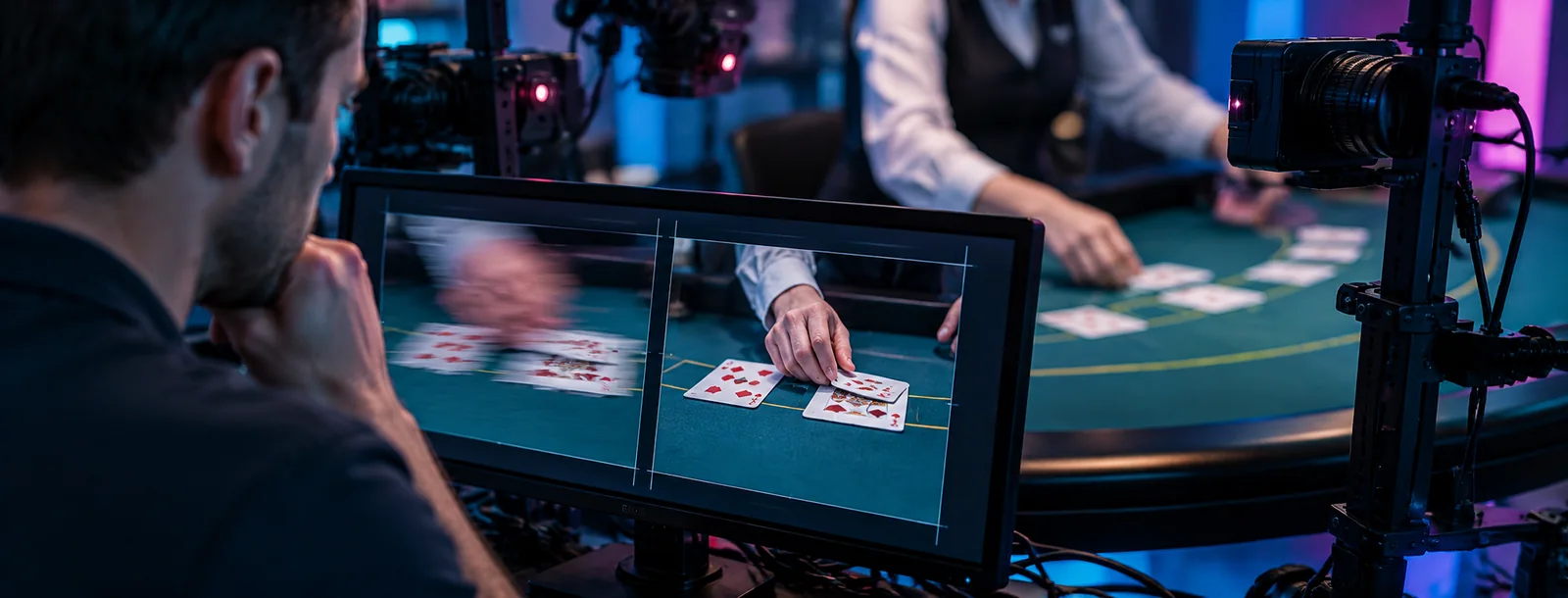
Train reviewers to distinguish false alerts, confidence scores, observations and inferences. Allow enough review time and authority to leave a result unresolved. Reduce fatigue by grouping repeated alerts, suppressing duplicates after a case opens and escalating under approved policy instead of sounding every uncertain frame as urgent.
Assign ownership across engineering, game integrity, privacy, security and studio operations. Name who approves camera relocation, model releases, retention changes and new facial-data uses. A threshold hidden in configuration is still a policy choice.
Monitor unresolved-queue age, reviewer agreement, correction rate, evidence access time, workload and customer-impacting errors. Use those measures to adjust review and thresholds. Counting alerts or automated actions alone can misrepresent team performance.
Risk register for a deployment decision
| Risk | Trigger | Release control |
|---|---|---|
| Wrong event accepted | Low-quality or occluded frame receives a confident label. | Class-specific abstention threshold and independent game-state validation. |
| Stale observation displayed as live | Buffer backlog or clock drift exceeds limit. | Age indicator and automatic degraded mode. |
| Unnecessary biometric processing | Feature scope expands from object detection to identity or categorisation. | Purpose review, privacy impact assessment and alternative analysis. |
| Calibration silently changes | Camera mount, lens or layout changes. | Versioned calibration check and release block if the check fails. |
| Review queue overload | False alerts rise or staffing drops. | Queue-age limits, duplicate grouping and fallback procedure. |
Release criteria should be observable
Before launch, set purpose-specific limits for false alarms and missed events, maximum delay, unresolved-queue age, rollback triggers and suspension authority. Keep test and production conditions comparable. Document unsupported scenarios and provide staff with a visible fallback.
- Compare missed events and false alerts with an agreed human review set.
- Set a maximum acceptable delay for the event to remain actionable.
- Block release when calibration, privacy review or fallback ownership is incomplete.
Repeat evaluation after camera, model, table, codec or rule changes. Sample routine operation as well as incidents; incident-only data cannot reveal every miss. The system should state what it saw, what it could not see and why it routed a case for review.
In an outage drill, block the camera and delay the event queue during a round. Verify that staff can see both failures, the platform retains its own game state and vision labels output stale until input is trusted again.